
Double Sheet Detection

Ultrasonic Double Sheet Detection Sensors for Sheet-Fed and Web-Handling Applications

Microsonic ultrasonic double-sheet sensors detect missing sheets, single sheets, and multiple sheets travelling together in automated sheet-fed and material-handling processes. By measuring ultrasonic transmission through the material, the system can identify double feeds without relying on colour, print, transparency, or optical contrast.

Two Microsonic double-sheet families are available. dbk+4 provides a broad and highly configurable platform for paper, film, fine corrugated material, thin sheet metal, wafers, PCBs, and many general sheet-fed applications. dbk+5 extends ultrasonic double-sheet detection to thicker and more acoustically demanding materials such as coarse corrugated cardboard, thicker plastic sheets, PCBs, and thin metal.

Choose a Microsonic Double Sheet Sensor Family

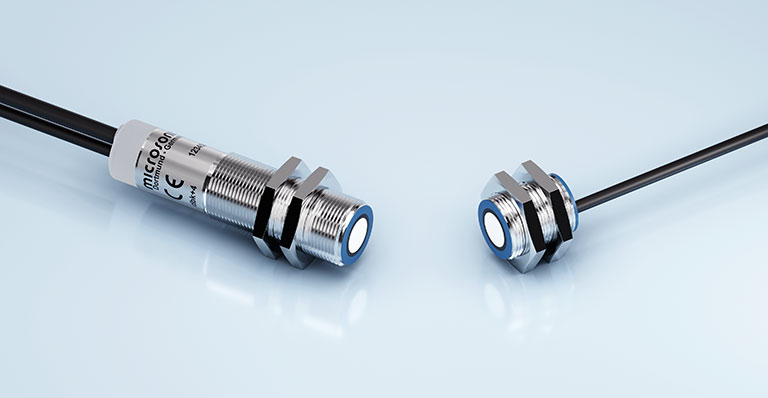
Microsonic dbk+4/3CFF/M18 E+S double sheet sensor

Microsonic dbk+4 Double Sheet Sensors

Broad-range ultrasonic double-sheet control with multiple sensing-head and mounting configurations

dbk+4 is the more versatile family, with Thin, Standard, and Thick working-range settings and a wide choice of transmitter and receiver arrangements.

Available configurations include standard M18 sensing heads, compact M12 versions, 90° receivers, external receivers, individual replacement components, and IO-Link on applicable models.

View Products
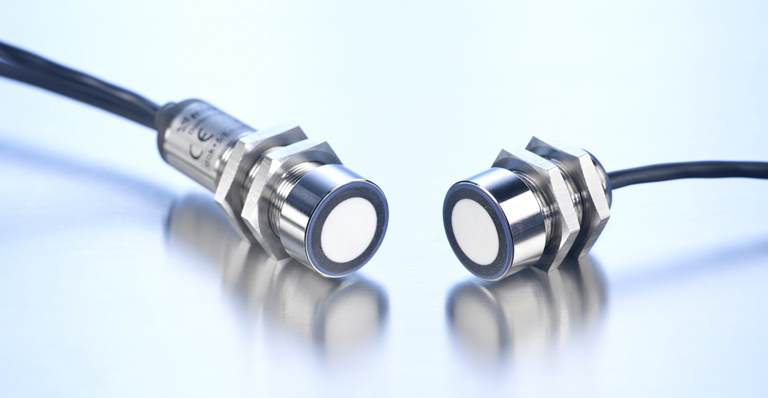
Microsonic dbk+5/3 high power double sheet sensors

Microsonic dbk+5 Double Sheet Sensors

Ultrasonic double-sheet detection for thicker and more demanding sheet materials

dbk+5 extends double-sheet detection to materials that require greater ultrasonic transmission capability.

It is particularly suited to coarse corrugated cardboard, thicker plastic sheets, printed circuit boards, thin sheet metal, and other heavier or acoustically demanding materials.

View Products

How the Microsonic Double Sheet Families Differ

The primary difference between dbk+4 and dbk+5 is the material range and application requirement.

dbk+4

Choose dbk+4 for the broadest range of conventional sheet-fed applications and where installation flexibility is important.

The family supports multiple working ranges and numerous transmitter/receiver configurations, making it suitable for applications ranging from lightweight paper and film to fine corrugated material, wafers, PCBs, and thin sheet metal.

dbk+5

Choose dbk+5 when the material is thicker, heavier, or more acoustically difficult to penetrate.

The family is intended for applications such as coarse corrugated board, thicker plastic sheet, PCB material, and thin metal where greater ultrasonic transmission capability is required.

Why Use Ultrasonic Double Sheet Detection?

Ultrasonic sensing evaluates how much sound energy passes through the sheet material.

A single sheet transmits a different ultrasonic signal than two or more sheets travelling together, allowing the control system to distinguish among:

  • missing material
  • a single sheet
  • a double or multiple sheet condition

Because detection is based on ultrasonic transmission rather than visual appearance, the sensing principle can be used with materials that are transparent, printed, reflective, differently coloured, or otherwise difficult to monitor optically.

Typical Applications

Microsonic double-sheet sensors are well suited to:

  • Printing presses and print-finishing equipment
  • Sheet-fed packaging machinery
  • Paper feeding and converting systems
  • Film-processing equipment
  • Corrugated-board handling
  • Plastic-sheet feeding
  • PCB handling and assembly
  • Thin sheet-metal processing
  • Wafer handling
  • Automated sheet feeders
  • Material-handling systems
  • Double-feed prevention
  • Missing-sheet monitoring
  • Automated machinery requiring reliable sheet-count verification

How to Choose a Double Sheet Detection Sensor

Start with the material type and thickness.

Choose dbk+4 for most paper, film, fine corrugated, wafer, PCB, and general sheet-fed applications, particularly where multiple sensing-head or mounting configurations are required.

Choose dbk+5 for thicker or more acoustically demanding materials where the normal dbk+4 working range is insufficient.

Then consider:

  • material type
  • material thickness
  • transmitter-to-receiver spacing
  • required mounting angle
  • available installation space
  • complete system vs. replacement component
  • sensing-head size and geometry
  • switching-output requirements
  • IO-Link requirements
  • Teach-in requirements
  • cable and connection arrangement

For unusual sheet materials or challenging installations, material testing may be useful before final sensor selection.

Need Help Selecting a Double Sheet Detection Sensor?

IBIS Electro-Products can help compare Microsonic dbk+4 and dbk+5 double-sheet sensors based on material type, thickness, sensing-head configuration, mounting geometry, outputs, IO-Link availability, and installation requirements.

Frequently Asked Questions About Double Sheet Detection Sensors

Ultrasonic double-sheet sensors distinguish among missing material, a single sheet, and two or more sheets travelling together by evaluating ultrasonic transmission through the material.

dbk+4 is the broader and more configurable family for conventional paper, film, sheet materials, fine corrugated card, wafers, PCBs, and similar applications.

dbk+5 is intended for thicker or more acoustically demanding materials such as coarse corrugated board, thicker plastic sheets, PCBs, and thin sheet metal.

Choose dbk+4 when the application requires broad material compatibility, Thin/Standard/Thick working ranges, multiple sensing-head geometries, compact M12 options, angled receivers, or IO-Link on applicable models.

Choose dbk+5 when the material is thicker or more difficult for ultrasound to penetrate and falls beyond the practical working range of dbk+4.

Yes. The systems can distinguish between no material, one sheet, and multiple sheets, allowing them to monitor both missing-sheet and double-feed conditions.

No. IO-Link availability depends on the family and specific configuration. Selected dbk+4 models support IO-Link, while dbk+5 primarily uses conventional switching and Teach-in configurations.