


Web Edge, Label, Splice & Double-Sheet Sensors
Specialized sensors for web guiding, label and splice detection, and double-sheet detection in packaging and converting systems.
View Products
IBIS Electro-Products supplies industrial sensors for automation, detection, measurement, positioning, inspection, and process monitoring applications. Our sensor portfolio includes ultrasonic sensors, optical sensors, fork sensors, frame and window light barriers, ring and tube sensors, light curtains, fiber-optic sensing, vehicle loop detection, and other specialized sensing technologies for industrial machinery and automated production systems.
Sensor products are available from manufacturers including Microsonic, di-soric, Dietz, NorthStar Controls, and AECO. Microsonic is a key source for ultrasonic sensing solutions, while di-soric and Dietz provide a broad range of optical and specialized industrial sensor technologies.
Applications range from non-contact distance measurement, object and small-part detection, web edge, label, splice, and double-sheet monitoring, positioning, and robotic reference checking to vehicle detection, machine illumination, and production-line inspection.
Sensor selection depends on factors including target material, sensing distance, required accuracy, response speed, available mounting space, output/interface requirements, and operating environment. Browse the sensor categories below or contact IBIS for assistance selecting an appropriate sensor for your application.
IBIS Electro-Products provides industrial sensor selection and application support for automation, machinery, and manufacturing applications.
Specialized sensors for web guiding, label and splice detection, and double-sheet detection in packaging and converting systems.
View Products
Microsonic ultrasonic sensors for distance measurement, object detection, level monitoring, and positioning.
View Products
Ring and tube sensors for small-part detection, component presence sensing, and feed or flow monitoring.
View Products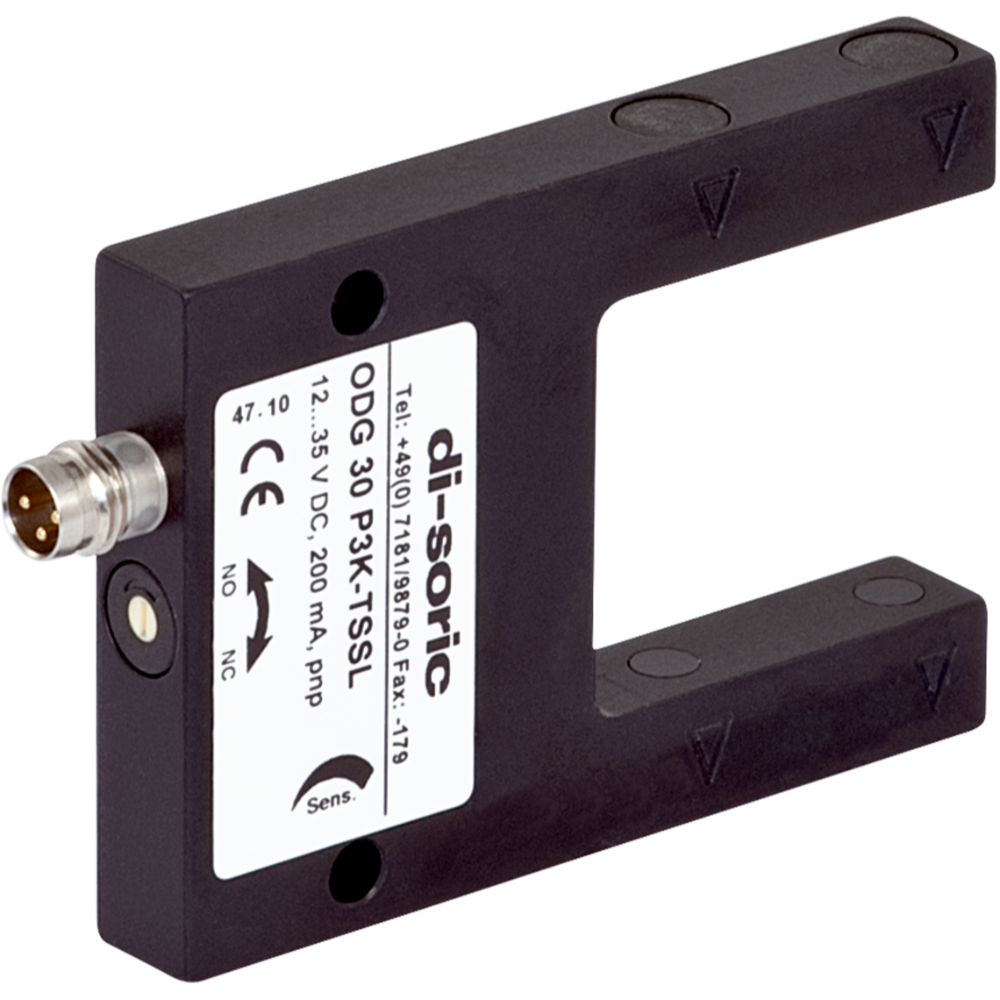
High-speed fork light barriers for precise detection of small parts, labels, edges, and product movement
View Products
Optical frame light barriers for detecting small objects passing through the sensing window
View Products
Compact light curtains for detecting small parts, objects, and interruptions across a defined sensing field.
View Products
Precision reference sensors for checking and correcting robot tool center point position.
View Products
Vehicle detection sensors for traffic control, access systems, gates, and industrial entry applications.
View Products
Industrial lighting and signal solutions for machine visibility, indication, inspection, and operator awareness.
View Products
Fiber-optic sensing components for small-space detection, difficult access points, and precise object sensing.
View ProductsThe right sensor depends on the target, sensing task, required range, response characteristics, installation space, output/interface, and operating environment.
For applications where several sensing technologies could work, IBIS can help compare the available sensor types and identify an appropriate solution.
IBIS can assist with sensor selection, replacement-part identification, application review, and product availability.
IBIS supplies ultrasonic, optical, fork, frame, ring, light curtain, fiber-optic, vehicle detection, robotic reference, web and label sensing, and other specialized industrial sensor products for automation and manufacturing applications.
IBIS supplies sensor products from manufacturers including Microsonic, di-soric, Dietz, Northstar Controls, and AECO. Product availability varies by sensing technology and application.
Ultrasonic sensors use sound waves to detect objects or measure distance, while optical sensors use emitted and received light. Ultrasonic sensing can be useful where target colour, transparency, or surface appearance makes optical detection more difficult, while optical sensors can offer very precise and high-speed detection in suitable applications.
Start with the target material, required sensing distance, detection or measurement task, object size, response requirements, available mounting space, output/interface, and operating environment. These factors help determine whether an ultrasonic, optical, fork, frame, ring, or other sensor type is the better fit.
Yes. Provide the existing manufacturer and part number, along with the application requirements when available. IBIS can help identify current availability and review possible replacement or alternative sensor options.
United States Customers: All prices are exclusive of tariffs. Tariffs will be calculated at the checkout. Click here for more details.