
Fork Sensors (Light Barriers)

Fork Sensors for Precision Detection in Automation & Packaging

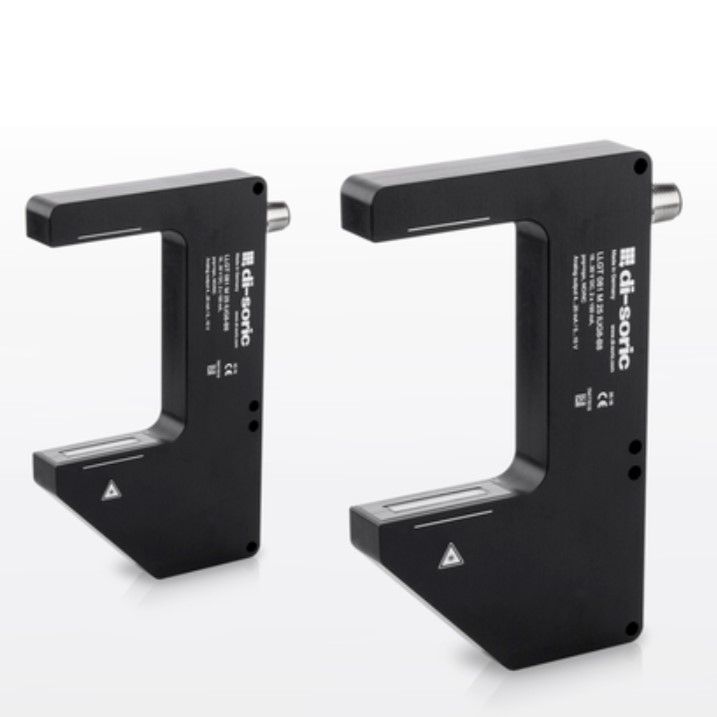
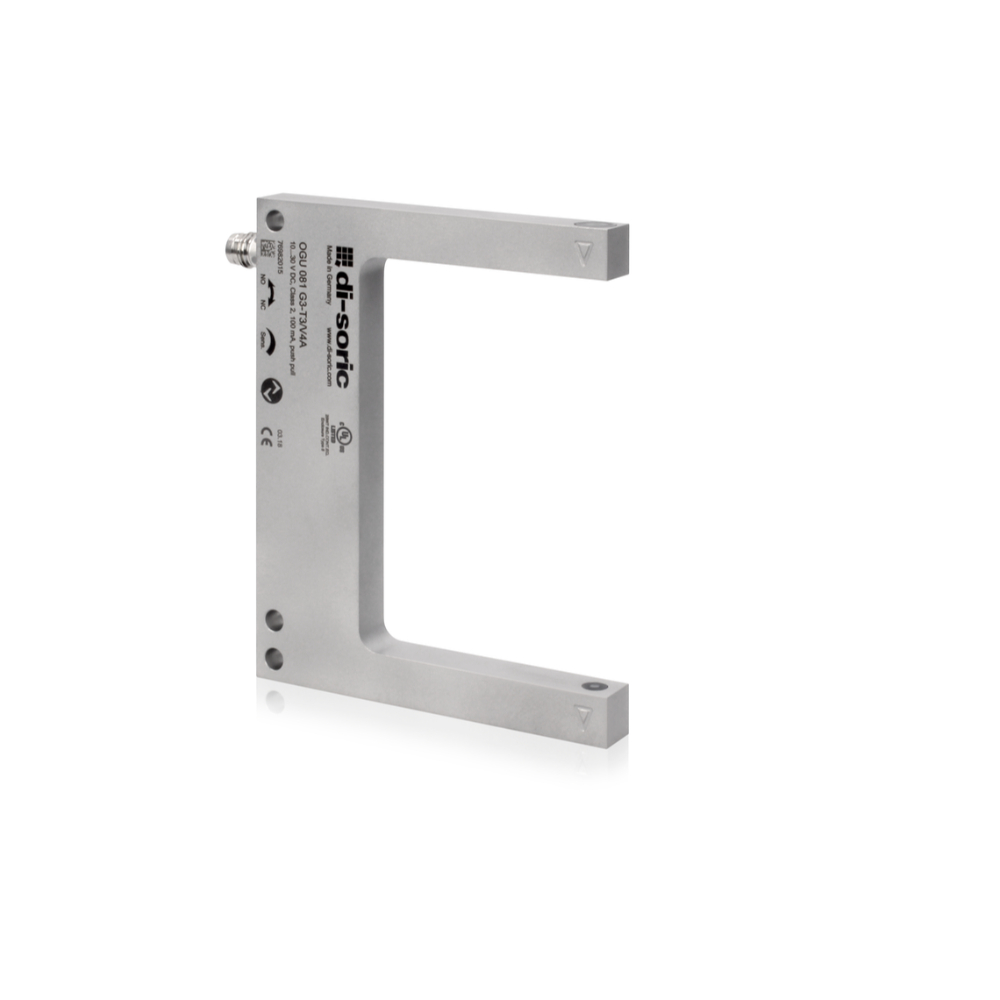
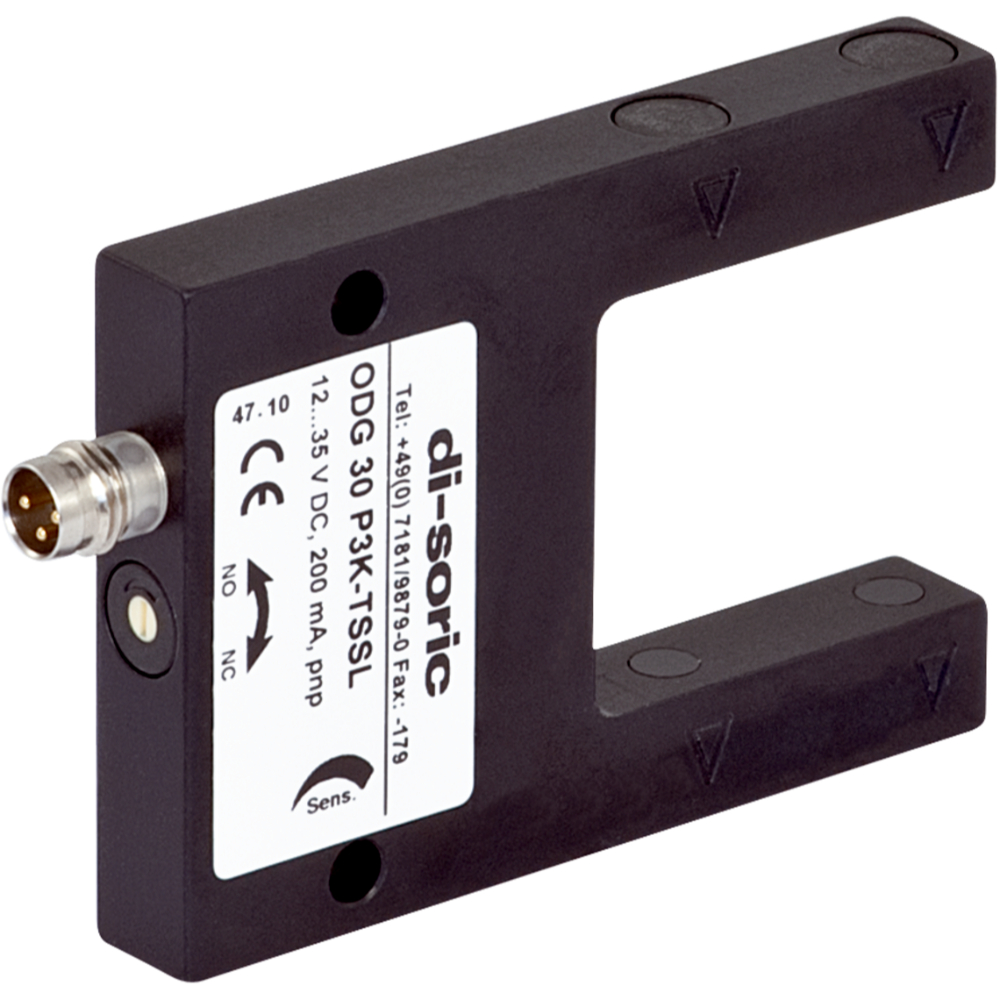
Fork sensors operate on the through-beam sensing principle and are used wherever small parts, labels, edges, or object positions must be detected quickly and precisely in automation and packaging systems. At IBIS Electro-Products, the Fork Sensors category is led by di-soric, whose OGU fork light barrier range offers high resolution, fast switching performance, and configuration options including potentiometer, teach-in, and IO-Link depending on model.

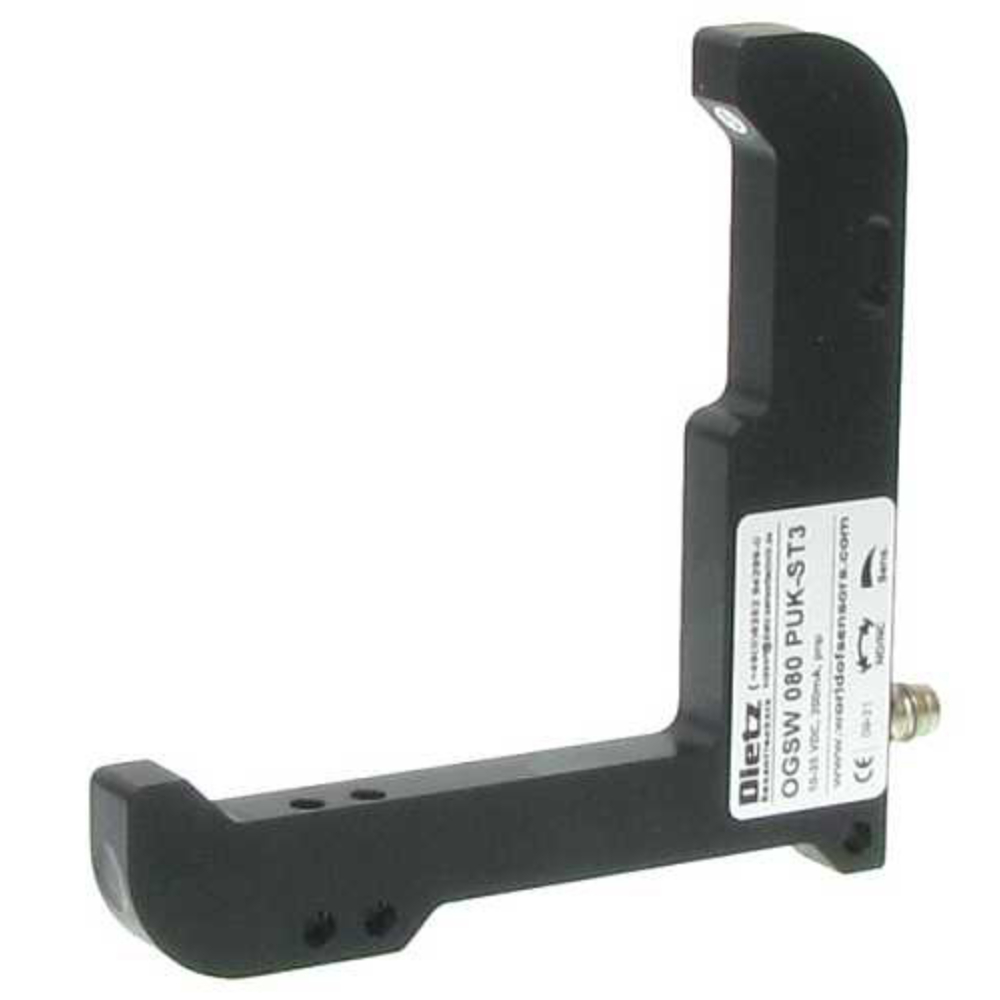
Browse by fork sensor type below to find the right solution for your application, including standard U-shaped, angled, measuring analog-output, hygienic stainless-steel, and two-beam differential models. Fork openings in the di-soric OGU family span roughly 5 mm to 250 mm, supporting applications from very small parts to wider product paths.

Browse di-soric Fork Sensor Solutions

Fork Sensor Applications

Fork sensors are commonly used in automation and packaging systems for detecting labels, edges, small parts, product presence, and movement through a defined sensing gap. They are especially effective where fast switching, precise repeatability, and easy installation are needed without constant realignment.

  • Label detection
  • Edge detection
  • Small-part detection
  • Product presence monitoring
  • Fast packaging-machine triggering
  • Hygienic production sensing

Why Choose Fork Sensors?

Fork sensors combine transmitter and receiver in one aligned housing, making them easy to install and well suited to applications requiring fast, repeatable, and stable object detection. di-soric’s fork light barrier portfolio adds broad size coverage, multiple operating modes, and configuration options such as potentiometer adjustment, teach-in, and IO-Link on selected models.

IBIS supports fork sensor selection with application guidance, product recommendation assistance, and access to a wide range of standard, hygienic, angled, measuring, and differential fork sensor designs.

Need Help Selecting a Fork Sensor?

Our technical team can help you select the right fork sensor based on object size, sensing gap, switching speed, housing style, hygienic requirements, and application environment.

Frequently Asked Questions About Fork Sensors

Fork sensors are used for detecting small parts, labels, edges, and object positions in automation and packaging systems.

Fork sensors use the through-beam sensing principle, but the transmitter and receiver are permanently aligned within the same fork-shaped housing.

di-soric fork sensors are known for broad fork-opening coverage, high resolution, fast switching performance, and configuration options including potentiometer, teach-in, and IO-Link on selected models.

Yes. IBIS offers hygienic stainless-steel fork sensors for food, beverage, pharmaceutical, and washdown environments.

You can browse our di-soric Industrial Sensors page here.