


Wire Break Ring Sensors
Inductive Ring Sensors for Wire Break Monitoring
Wire break ring sensors monitor the continuous presence of conductive wire passing through the sensing opening. If the wire breaks or is no longer detected, the sensor output changes so the control system can respond.
The current range includes Dietz and di-soric models with 4 mm and 6.1 mm ring diameters, different output configurations, and static or dynamic sensing depending on the model.
- Material: nickel-plated brass
- Temperature: -40°C ... +200°C


Dietz and di-soric Wire Break Ring Sensors
Image | Brand | Part Number | Resolution | Switching Output | Ring Diameter | Connection | Detection Principle | Quantity | Product Details | Add to Cart |
|---|---|---|---|---|---|---|---|---|---|---|
 | Dietz | 0.2 mm | pnp | NO/NC | 6.1 mm | M12 | 4-pin | Static | Max: 100000 Min: 1 Step: 1 | |||
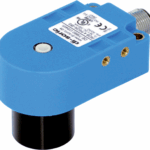 | di-soric | 0.2 mm | npn | NO/NC | 4.0 mm | M12 | 4-pin | Static | Max: 100000 Min: 1 Step: 1 | |||
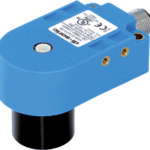 | di-soric | 0.2 mm | pnp | NO/NC | 4.0 mm | M12 | 4-pin | Static | Max: 100000 Min: 1 Step: 1 | |||
 | di-soric | 0.2 mm | npn | NO/NC | 6.1 mm | M12 | 4-pin | Static | Max: 100000 Min: 1 Step: 1 | |||
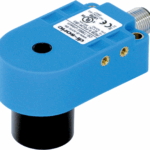 | di-soric | 0.2 mm | pnp | NO/NC | 6.1 mm | M12 | 4-pin | Static | Max: 100000 Min: 1 Step: 1 | |||
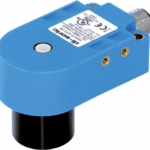 | di-soric | 0.1 mm | npn | NO/NC | 4.0 mm | M12 | 4-pin | Dynamic | Max: 100000 Min: 1 Step: 1 | |||
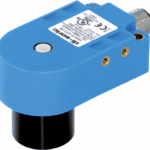 | di-soric | 0.1 mm | pnp | NO/NC | 4.0 mm | M12 | 4-pin | Dynamic | Max: 100000 Min: 1 Step: 1 | |||
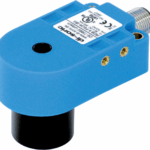 | di-soric | 0.1 mm | pnp | NO/NC | 6.1 mm | M12 | 4-pin | Dynamic | Max: 100000 Min: 1 Step: 1 |
How Wire Break Ring Sensors Work
Wire break ring sensors use an inductive sensing field to detect conductive wire passing through the ring opening.
During normal operation, the wire remains within the sensing area. If the wire breaks or moves out of the sensing field, the sensor output changes. This signal can then be used by the machine control system to stop the process, provide an alarm or initiate another programmed response.
The sensing process is contact-free, so the wire passes through the opening without touching the sensor.
When to Choose a Wire Break Ring Sensor
A wire break ring sensor is appropriate when the continuous presence of conductive wire needs to be monitored as it passes through a sensing opening.
These sensors are commonly used where a broken, missing or interrupted wire must be detected so the machine control system can stop the process or initiate another programmed response.
Wire break ring sensors are particularly useful for:
- continuous wire or strand monitoring
- detecting a broken or missing conductive wire
- winding and unwinding equipment
- wire drawing and forming processes
- cable and conductor processing equipment
If the application involves detecting or counting individual metallic parts rather than continuously monitoring wire presence, a standard inductive ring sensor may be more appropriate.
How the Models Differ
Dietz
- 6.1 mm ring diameter
- static sensing
- PNP output
- switchable NO/NC
- adjustable sensitivity
- M12 connection
di-soric
- 4 mm and 6.1 mm ring diameters
- static and dynamic versions
- PNP and NPN models
- adjustable sensitivity
- M12 connection
Static vs. Dynamic Wire Break Sensors
Static Sensing
A static wire break sensor continuously detects the presence of the wire while it remains within the sensing field.
If the wire breaks or is no longer present in the ring, the sensor output changes. Static sensing is suitable for many standard wire-break monitoring applications.
Static wire break sensors can provide fast response times and are suitable for a wide range of wire speeds and process conditions.
Dynamic Sensing
A dynamic wire break sensor performs the same basic monitoring function but is designed for faster response to changes in the sensing condition.
Dynamic sensing can be useful where the machine must react very quickly after a wire break, particularly in higher-speed processes where minimizing additional material movement, scrap or equipment risk is important.
di-soric offers both static and dynamic wire-break models, while the current Dietz IRDB 06 model uses static sensing.
Wire Break Ring Sensors vs. Standard Inductive Ring Sensors
Both sensor types use inductive sensing to detect conductive metallic targets, but they are intended for different monitoring tasks.
Wire break ring sensors are designed to monitor the continuous presence of wire passing through the sensing opening. Their purpose is to detect when the wire breaks, disappears or is no longer present in the sensing area.
Standard inductive ring sensors are generally used to detect or count individual metallic parts moving through the sensing opening.
For continuous wire monitoring, use a wire break ring sensor. For individual metal-part detection or counting, consider a standard inductive ring sensor.
How to Choose a Wire Break Sensor
Ring Diameter
Choose a ring opening that provides enough clearance for the wire and its normal movement.
Current options include:
- 4 mm — di-soric
- 6.1 mm — Dietz and di-soric
Static or Dynamic Sensing
Choose static sensing for standard continuous wire monitoring.
Consider dynamic sensing when faster reaction to a wire break is required.
Output Configuration
The Dietz IRDB 06 PUK-ST4 provides a switchable PNP NO/NC output.
di-soric models are available with different PNP and NPN output configurations depending on the part number.
Response Time
Response time becomes more important as process speed increases. Static sensors are suitable for most wire-break applications, while dynamic models can be considered where faster reaction to a broken wire is required.
Typical Applications
Wire break ring sensors are used for applications such as:
- wire-break monitoring
- continuous wire-feed monitoring
- fine-wire monitoring
- wire drawing and forming equipment
- winding and unwinding systems
- coil and spool processing
- wire feeding equipment
- automated production equipment
- cable and conductor processing
Frequently Asked Questions About Wire Break Ring Sensors
What is a wire break ring sensor?
A wire break ring sensor is an inductive sensor that monitors conductive wire passing through a ring-shaped sensing opening. If the wire breaks or is no longer detected, the sensor output changes.
What is the difference between static and dynamic wire break sensing?
Static sensing continuously monitors the presence of the wire. Dynamic sensing provides a faster response to changes in the sensing condition and can be useful in higher-speed applications.
What ring diameters are available?
The current range includes 4 mm and 6.1 mm ring openings. Dietz currently offers a 6.1 mm model, while di-soric offers both 4 mm and 6.1 mm versions.
When should I consider a dynamic wire break sensor?
A dynamic sensor may be appropriate where the process requires a very fast response after a wire break.
Are PNP and NPN versions available?
Yes. di-soric offers PNP and NPN models. The current Dietz IRDB 06 PUK-ST4 uses a switchable PNP NO/NC output.
Can an older Dietz 4 mm wire break sensor be replaced with the current 6.1 mm model?
Yes. The current IRDB 06 PUK-ST4 uses the same mounting footprint as the previous Dietz wire break models, so the main difference to check is the larger 6.1 mm ring opening. The current model also combines switchable PNP NO/NC operation in one sensor.
Can a wire break ring sensor detect wire when it stops moving?
Static wire break sensors continuously monitor the presence of the wire while it remains within the sensing field. Dynamic models are intended for applications where faster reaction to changes in the sensing condition is important.
Does the wire need to be in contact with the sensor?
No. The wire passes through the sensing opening and is detected without contacting the sensor housing.
This non-contact method avoids relying on a mechanical contact riding against the wire or on maintaining electrical continuity through the wire itself. That can be useful where physical contact could mark or wear the wire, where the wire is coated, or where maintaining reliable electrical contact would be difficult.
Need Help Selecting a Wire Break Sensor?
IBIS Electro-Products can help review your application and compare ring diameter, sensing mode, output type and required response time.